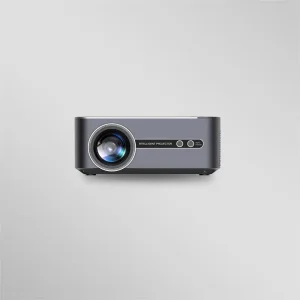
720P Mirroring Projectors: B2B Procurement & Industrial Solutions in Gitarama

Leading Projection Technology Solutions for Corporate, Educational, and Industrial Infrastructures in Rwanda's Southern Hub

Whitepaper: The Convergence of Smart Projection and Digital Infrastructure in Southern Rwanda

Analytical insights into optical projection architectures, cost-performance ratios, and localized enterprise deployments.

1. Executive Summary: The Strategic Value of 720P Mirroring Systems

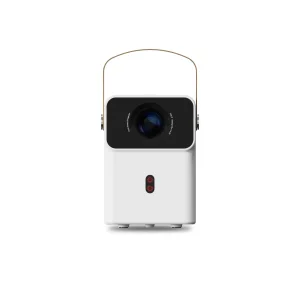
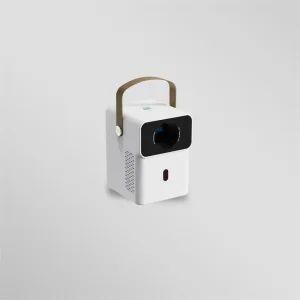
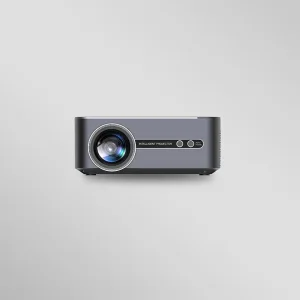
In modern display technologies, 720P (1280x720 pixels) native LCD projection equipment combined with integrated system mirroring functions represents a crucial optimization point. While high-definition 4K ecosystems dominate premium domestic markets, enterprise and institutional buyers within the East African Community (EAC) demand systems that balance network resilience, thermal efficiency, and capital expenditure.

By incorporating hardware-decoded Miracast and Airplay compatibility layers directly into the projector's main processing unit, these devices remove the requirement for high-bandwidth external media converters. This whitepaper analyzes why these localized systems represent a reliable choice for educational institutions, commercial offices, and training hubs across Gitarama (Muhanga District) and the wider Southern Province of Rwanda.

Technological Focus: Core Specifications for Regional Deployment

Successful display deployment in regional hubs like Gitarama requires systems featuring stable local peer-to-peer Wi-Fi mirroring (802.11ac dual-band), dust-resistant optical light engines, and flexible voltage tolerance built to handle fluctuating power supply networks.

2. Localized Market Dynamics: Digital Transition in Gitarama

Gitarama, historically structured as a commercial connection node between Kigali and the Southern and Western provinces, is transitioning from a traditional trade market town into an administrative and educational hub. The regional government's push for digital integration has created a growing demand for cost-effective presentation hardware.

In schools, clinics, and local government offices, display solutions must operate reliably without relying on consistent cloud connectivity. High-bandwidth 1080P streaming often faces bottlenecking over local local area networks (LANs). 720P native rendering represents an optimal target, allowing smooth wireless mirroring of schematics, spreadsheets, and instructional media directly from Android smartphones, tablets, or laptops over localized point-to-point connections.

50%
Local IT Infrastructure Cost Reduction
0ms
Hardware Decoded Mirroring Latency
250
ANSI Lumens Minimal Operating Threshold

3. Macro-Industry Solutions: Modern Display Architecture

The global portable projection landscape relies on two primary engine structures: Digital Light Processing (DLP) and Liquid Crystal Display (LCD) technology. For institutional B2B procurement, LED-illuminated single-chip LCD systems represent a highly repairable and stable option. Key system architectures include:

  • Thermal Control Engineering: High-velocity dual-fan intake systems designed to run continuously in warm climates without causing early degradation of the LCD polarization layers.
  • Wireless Protocol Decoders: Integrated real-time operating systems (RTOS) or custom Android platforms running optimized casting stacks (Airplay/Miracast/DLNA) to prevent video frame drops.
  • Optomechanical Isolation: Dustproof optical designs that prevent ambient particulate matter from collecting on the LCD panel, which can create persistent visual artifacts.

4. Global & Regional Supply Chain Analysis

Providing high-precision hardware to markets like East Africa requires vertically integrated production lines. By controlling the manufacturing process from basic plastic injection to complex optical calibration, production facilities can deliver consistent unit quality. This approach allows local distributors in Gitarama to secure stable pricing and reliable hardware configurations, avoiding the performance variability common in white-label consumer imports.
Industrial Scale & Production Capacities

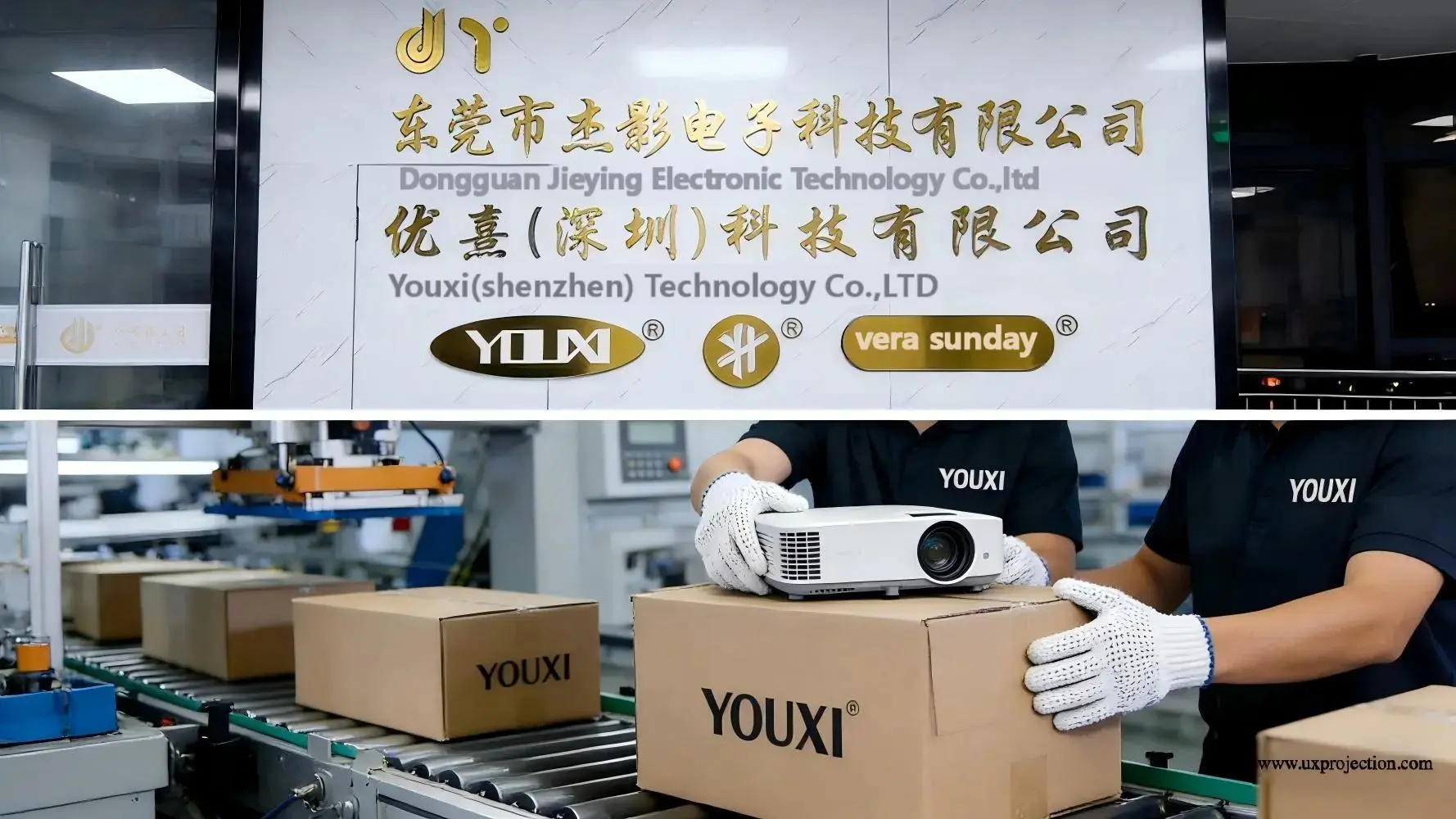
Introducing Youxi (Shenzhen) Technology Co., Ltd. - Vertical engineering from components to final assembly.

Youxi Technology Headquarters and Assembly Plant

Youxi (Shenzhen) Technology Co., Ltd.

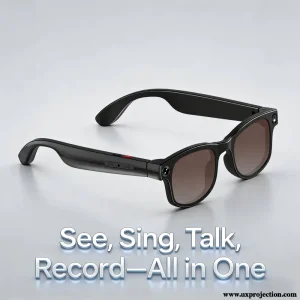
Founded in April 2021, Youxi (Shenzhen) Technology Co., Ltd. specializes in the research, development, manufacturing, and integration of intelligent projection systems and wearable smart devices. The company maintains full control across the product lifecycle—from R&D and precision assembly to quality assurance—ensuring compliance with international standards at every stage, from raw material procurement to finished product delivery. Committed to sustainable operations, Youxi integrates energy-efficient design, eco-conscious material selection, and waste-reduction practices into our business model, contributing to green manufacturing initiatives.

Headquartered in Shenzhen—a leading innovation hub in Southern China—the company benefits from strategic proximity to the Hong Kong Port, with a travel time of approximately 40 minutes. To support scalable production, Youxi operates a dedicated assembly facility spanning approximately 1,000 square meters in Fenggang Town, Dongguan City (a 25-minute drive from headquarters), which currently employs around 100 professionals and maintains a monthly production capacity exceeding 30,000 units. Its robust quality management system, certified supply chain, and vertically integrated operational framework ensure consistent product reliability and timely delivery.

Comprehensive Service Formats

Youxi offers comprehensive service solutions, including branded product development, OEM/ODM customization, and material-specified manufacturing (MSM). We also actively pursue strategic partnerships through authorized distribution and joint venture models. Prospective partners and clients are welcome to contact us at any time for technical consultation, collaboration proposals, or commercial inquiries.

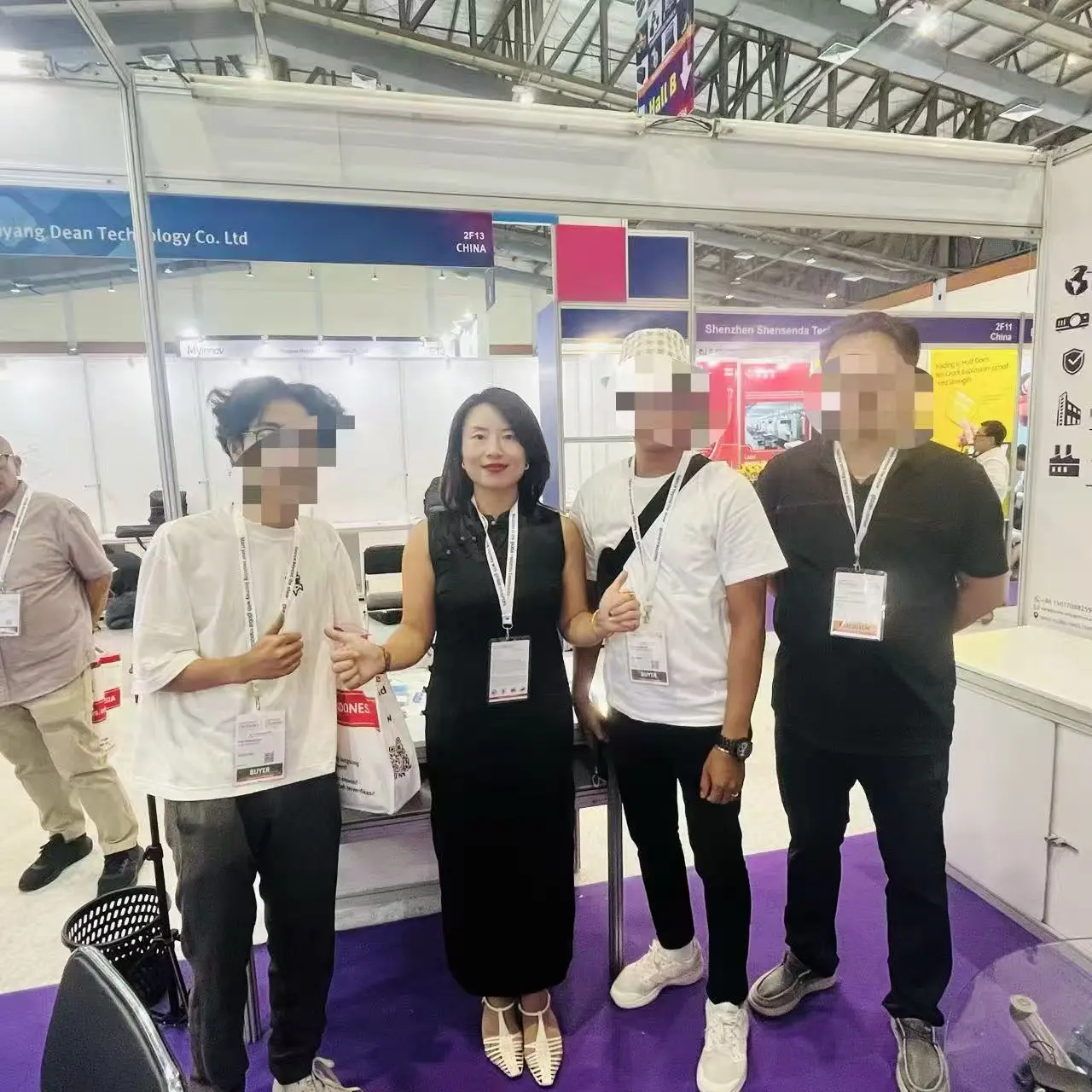
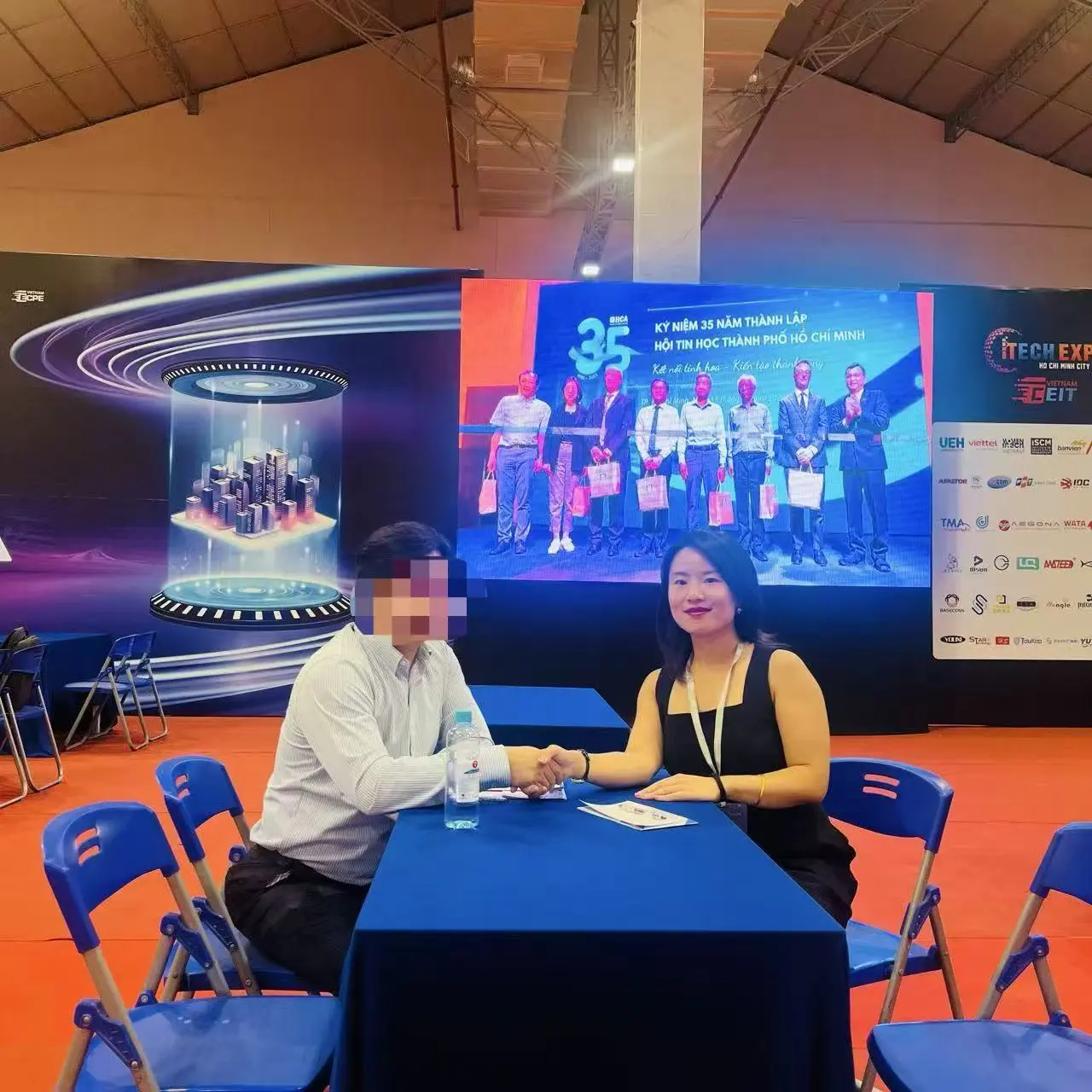
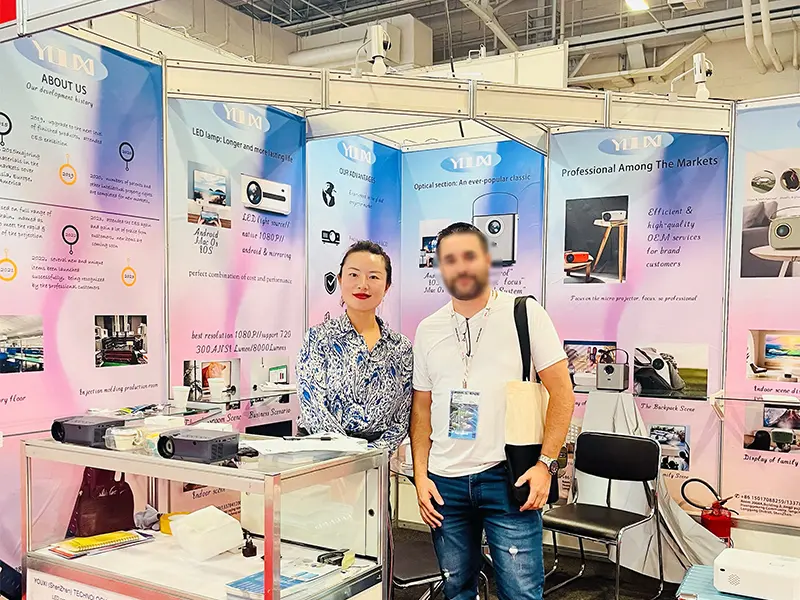
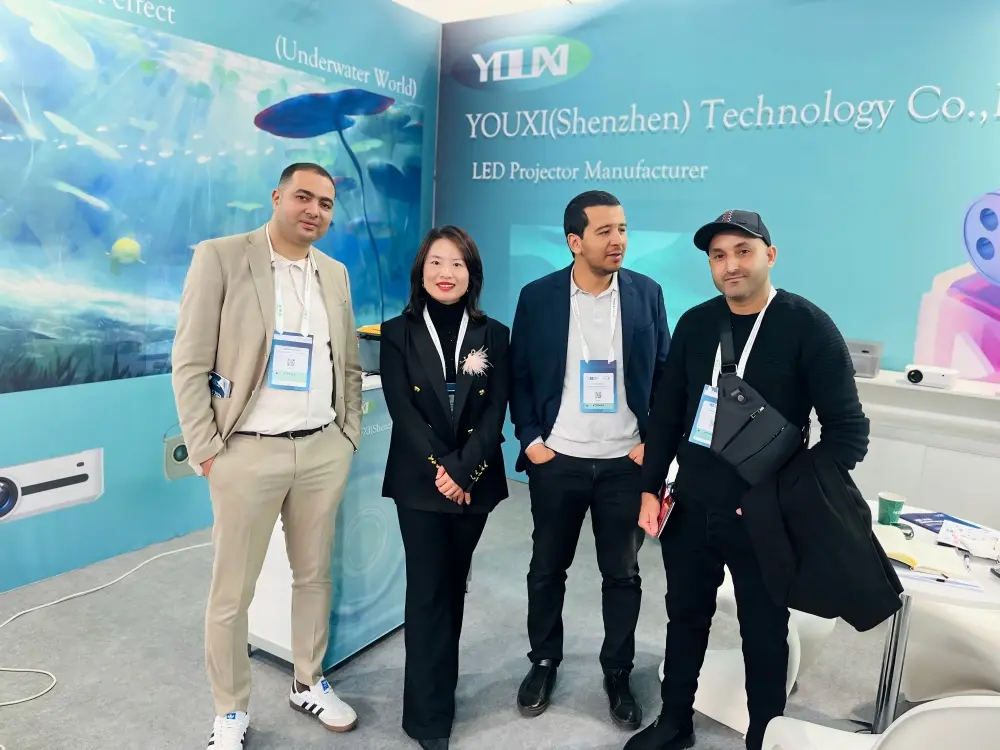
Global Footprints & Technical Showcases

Factory Workstations & Quality Control Systems

Every projector is processed in dust-free facilities and undergoes strict, multi-stage aging and performance diagnostics.

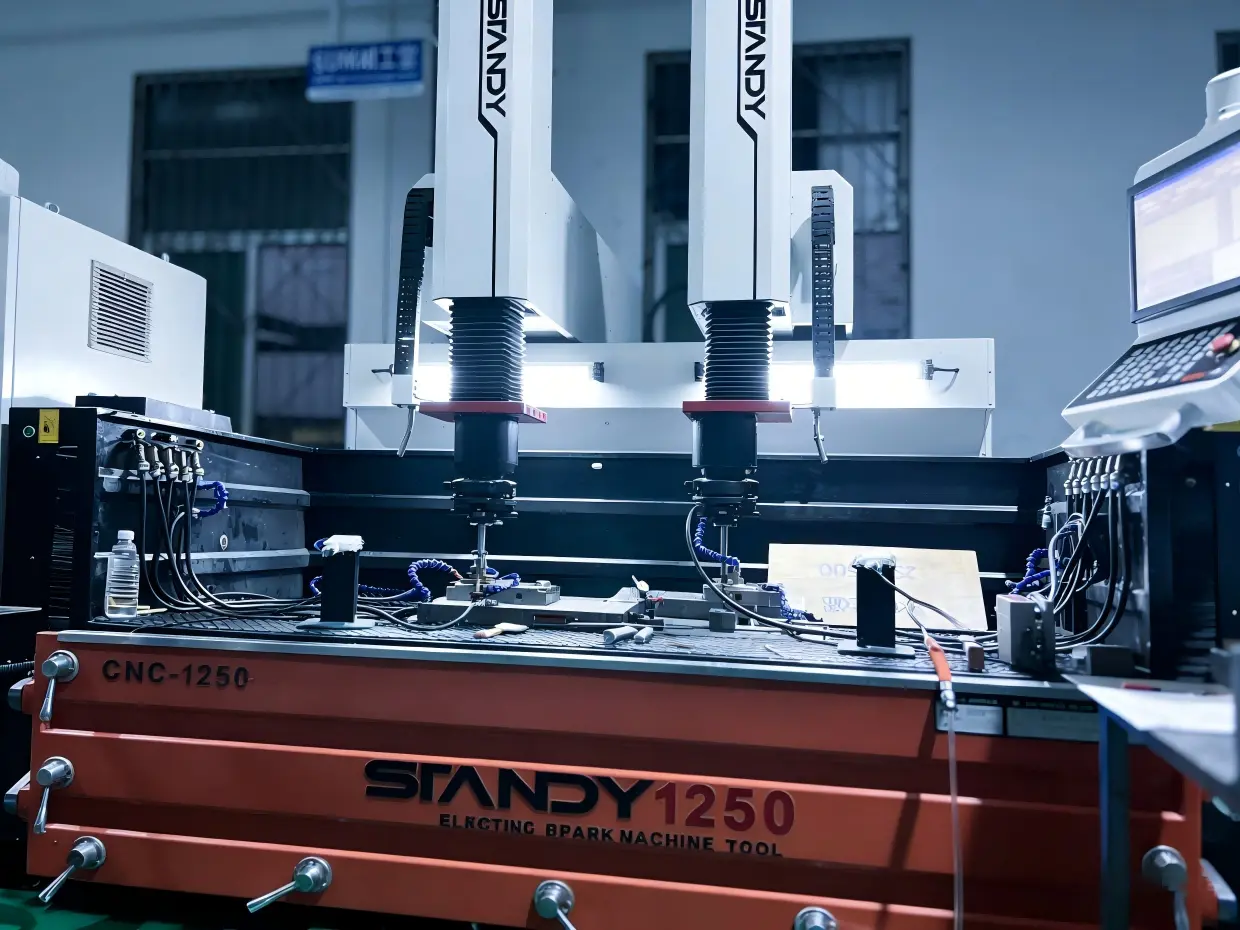
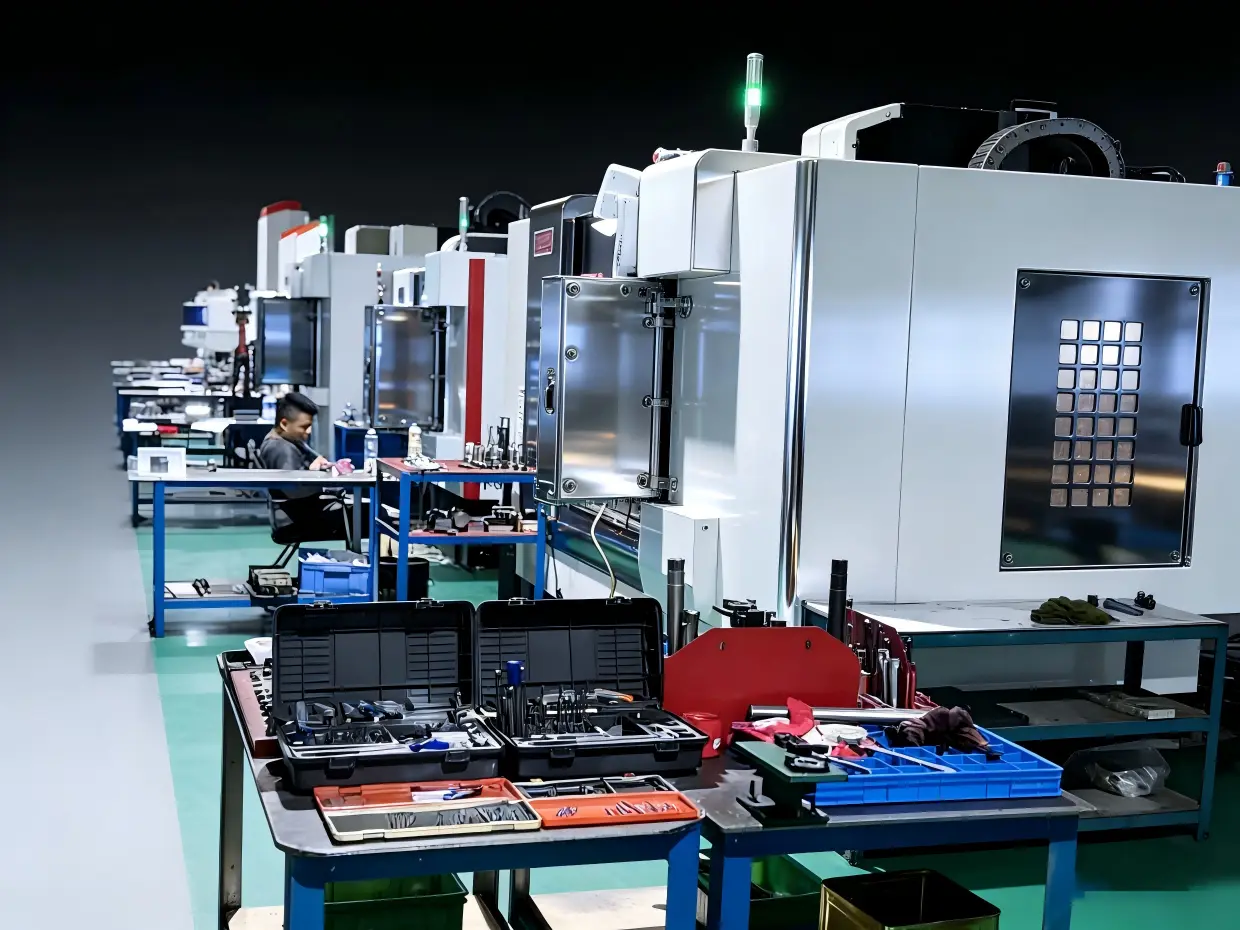
01. Mold Design & Injection Workshop Precision Tolerance

The mold and injection molding workshop is located next to our main facility, equipped with digital machinery that meets high market standards to establish a solid structural foundation for each product housing.

Mold Machining Hardware Industrial Plastics Processing
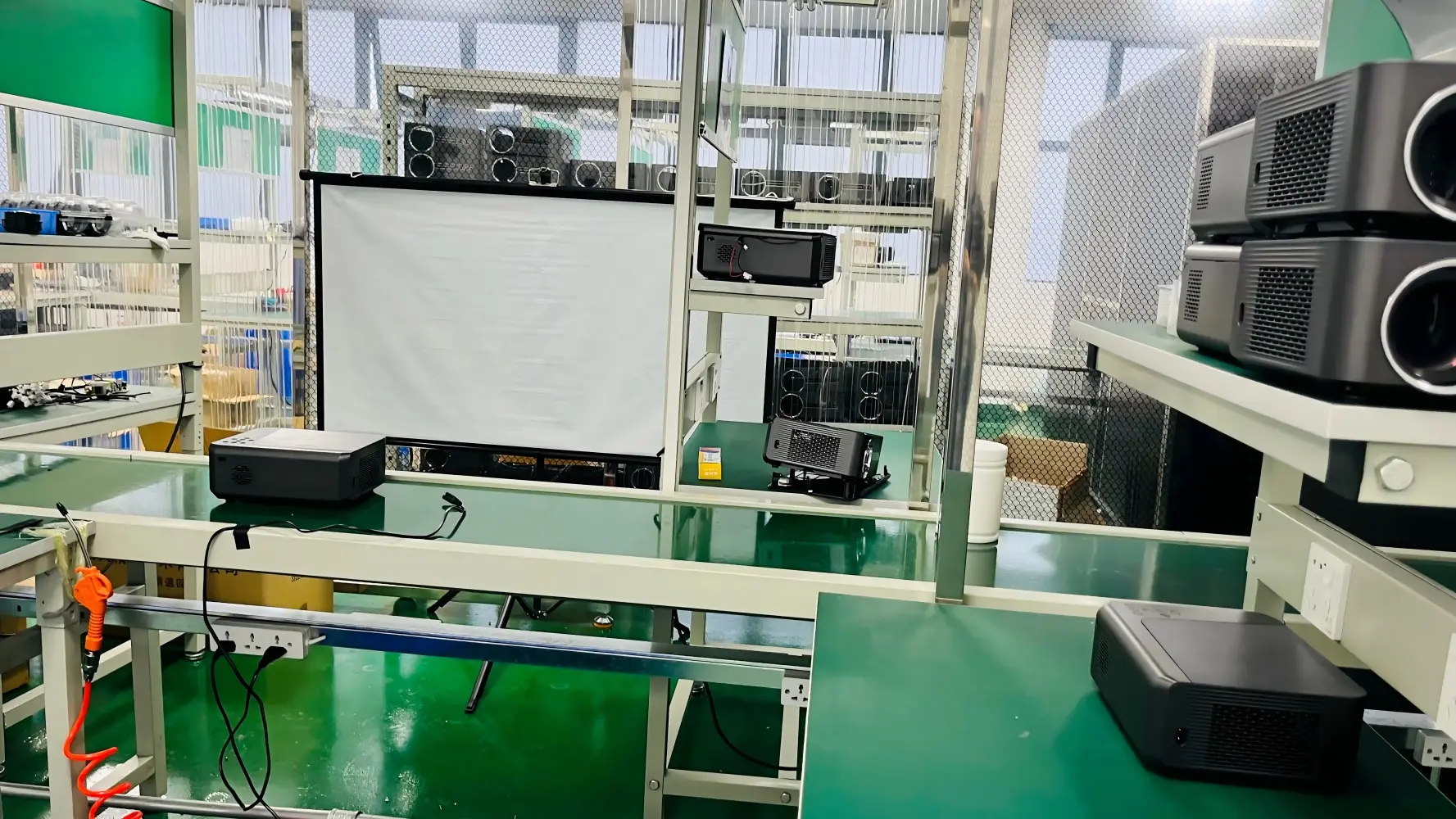
02. Dust-Free Assembly Lines 5S Standard Compliant

Covering an area of 4,000 square meters, the plant features production, injection molding, assembly, and testing workshops designed for high-volume output. Following recent updates, over 100 qualified assembly operators are distributed across departments. To meet client requirements, cleanrooms operate under 5S standards to prevent dust contamination of the optical units. Monthly assembly capacity reaches up to 50,000 units.

Assembly Workshop Layout Optical Unit Alignment Area
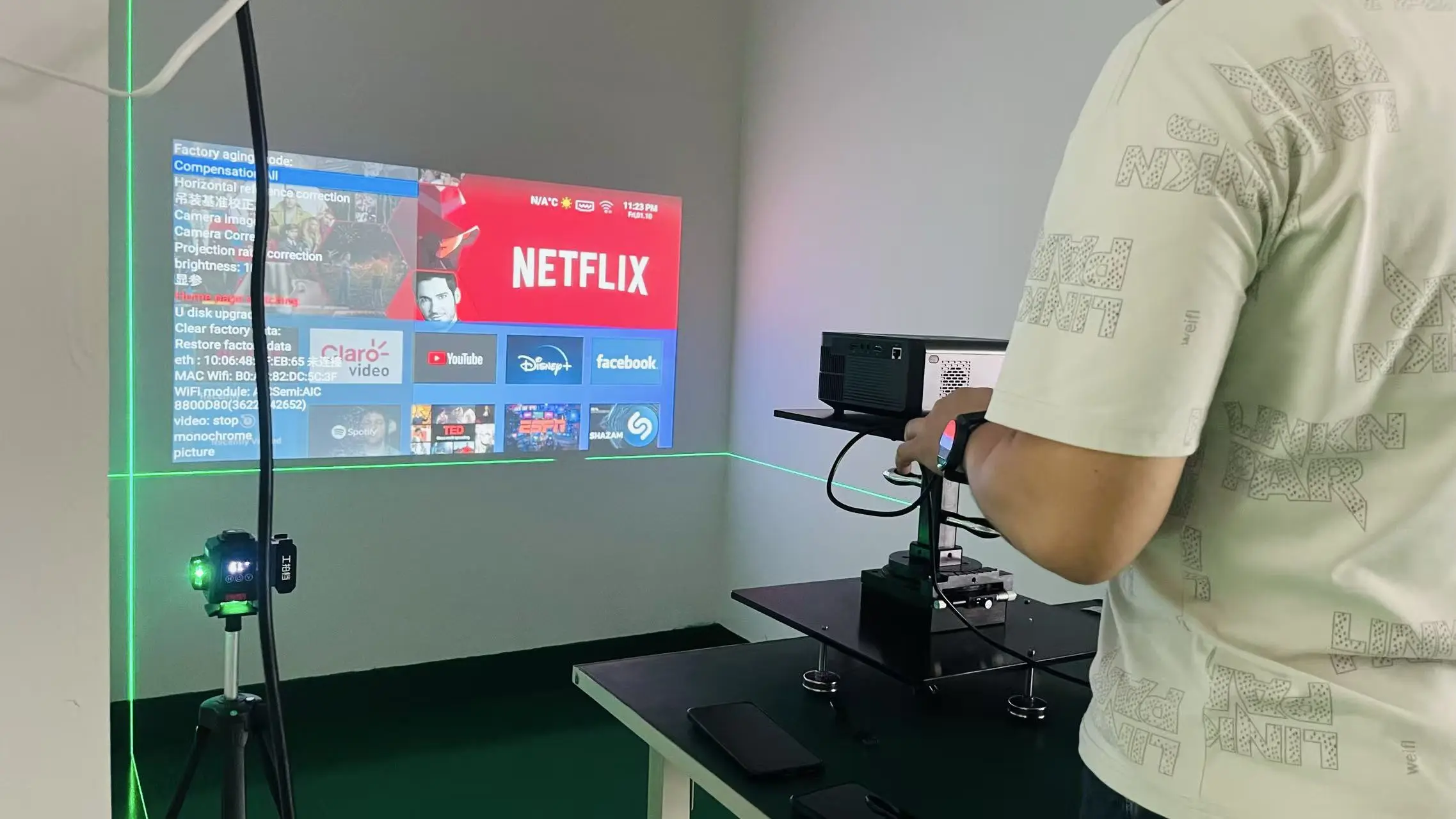
03. Dual-Room QA Inspection Department Zero-Defect Goal

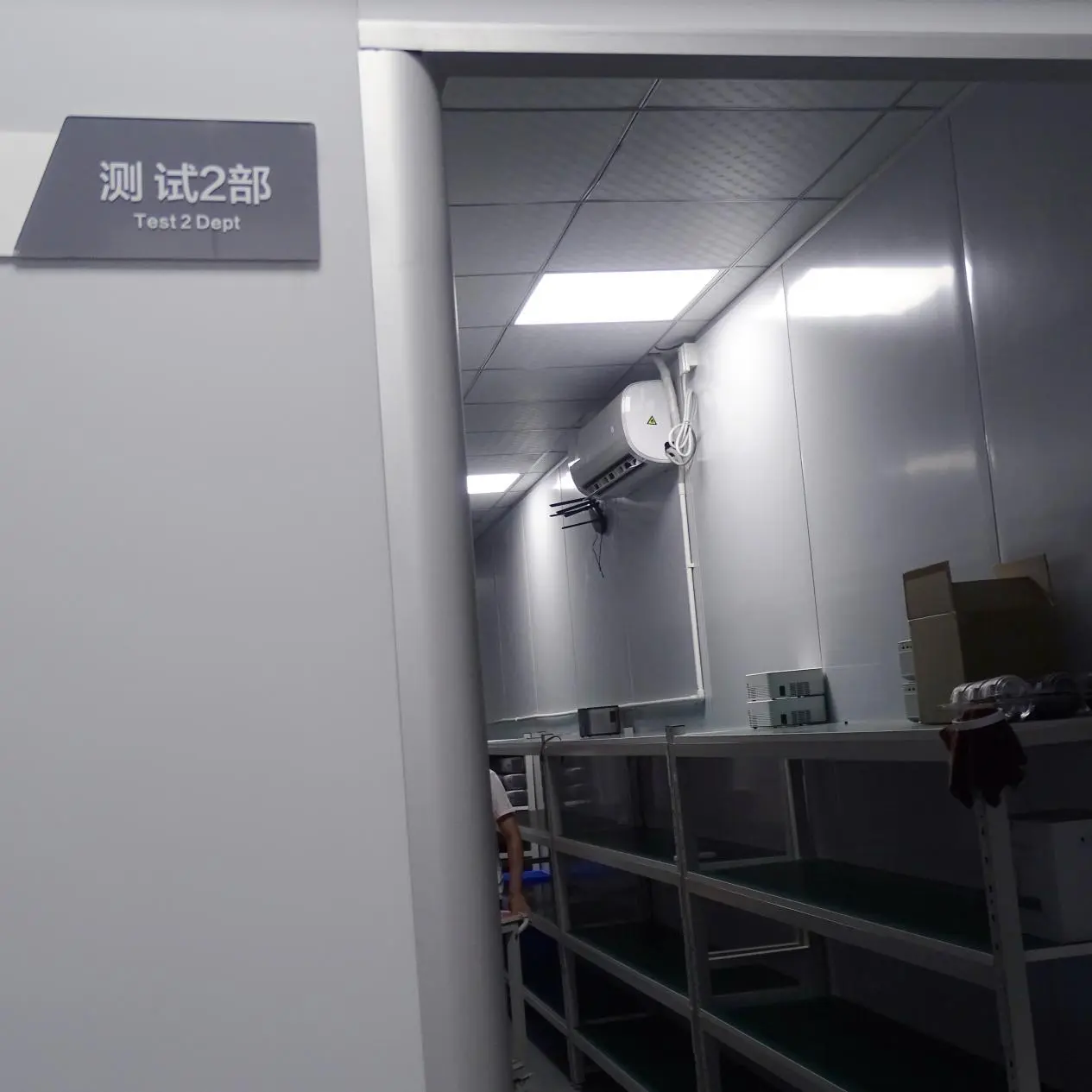
To ensure consistent machine performance and control post-sale defect rates, the factory operates 12 testing rooms divided into two functional areas. Quality control specialists inspect incoming raw materials, conduct primary functional testing post-assembly, and perform final sample checks prior to shipping.

Lumen Calibration Bench Spectral Testing Department
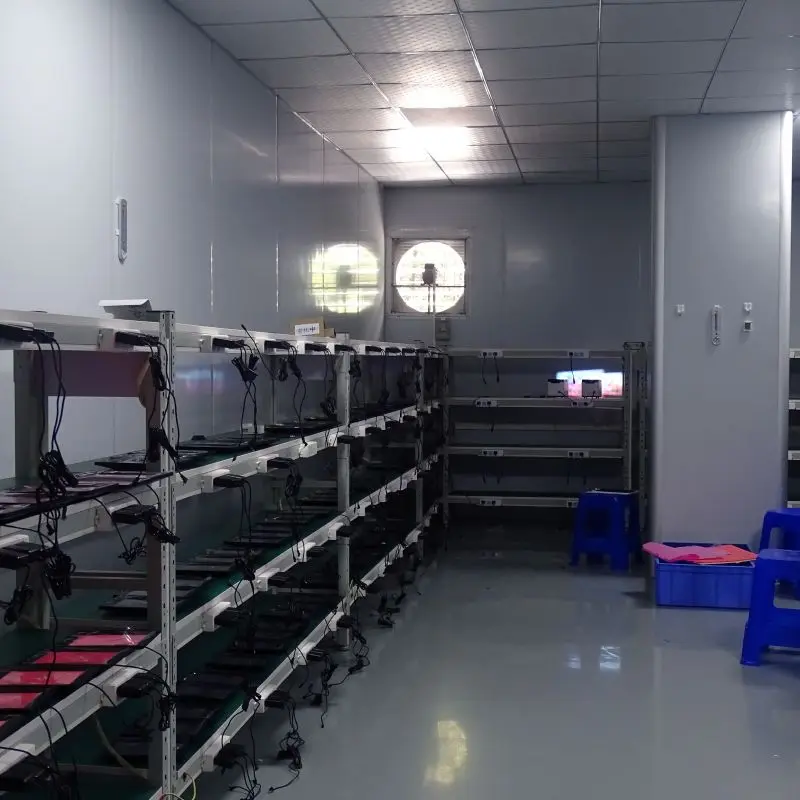
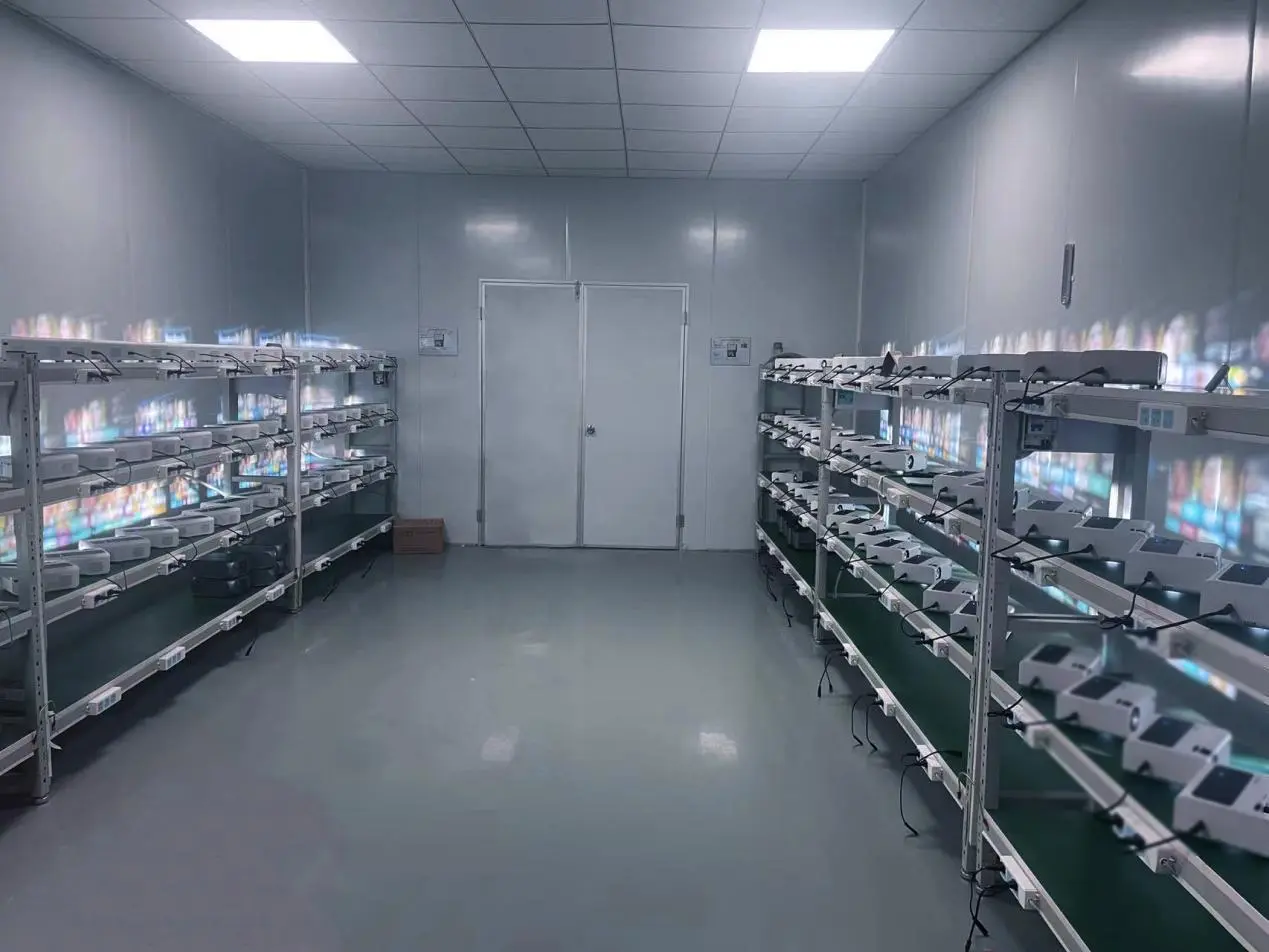
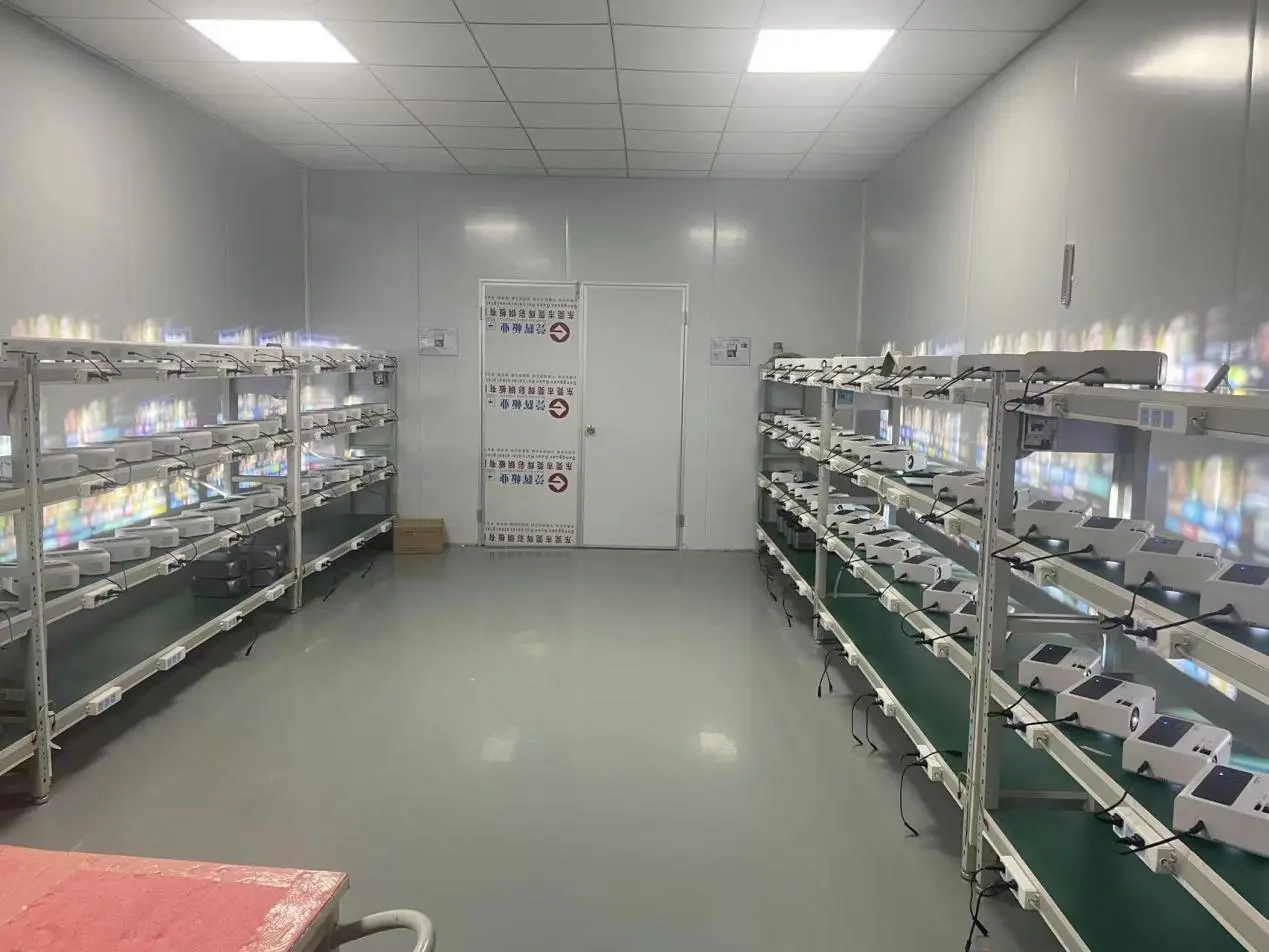
04. Continuous Aging Chambers & Storage Warehouse 200+ Unit Simultaneous Aging

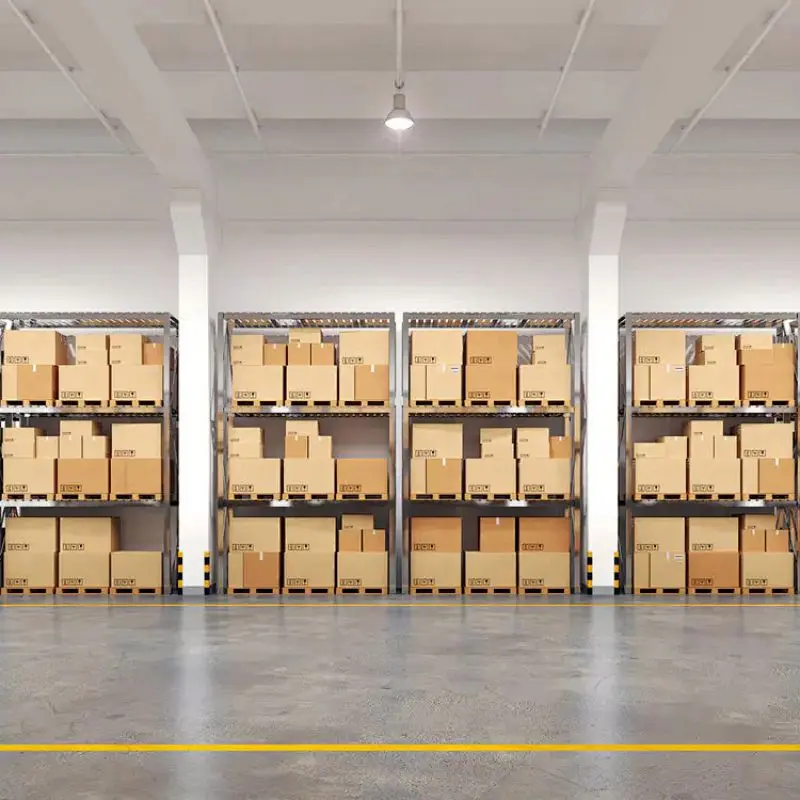
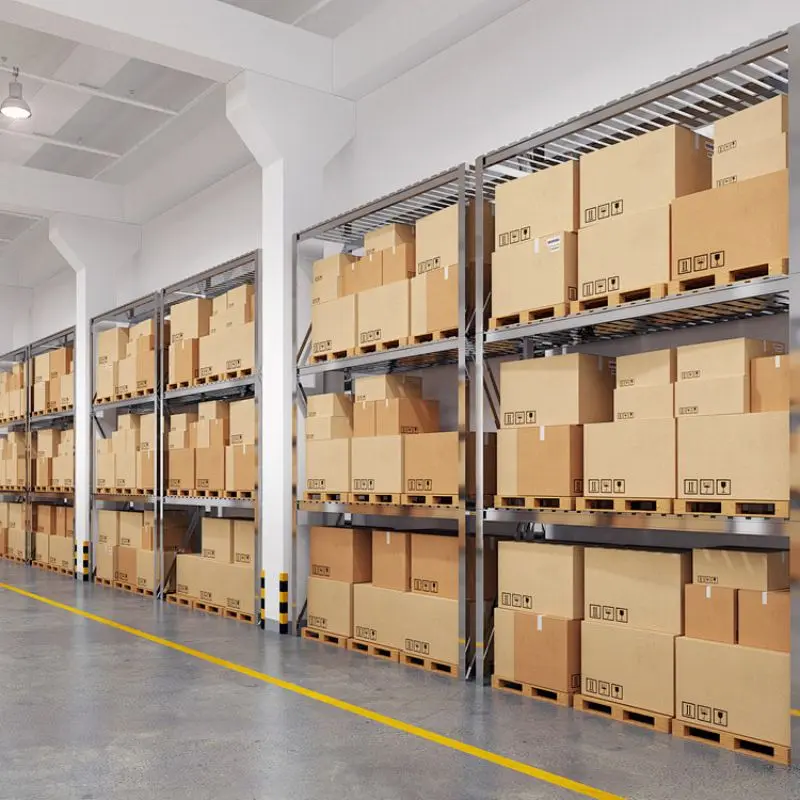
The aging test facility is positioned adjacent to the functional testing rooms to streamline workflow and reduce operational errors, allowing at least 200 machines to run aging cycles simultaneously. Finished items are stored in a dedicated 300-square-meter warehouse located next to the packaging line.

Full-load Burn-in Rack Heat Output and Thermal Stress Chamber Finished Goods Logistics Buffer Zone High-density Shipping Pallet Storage

Applications & System Integration for the Muhanga District

A functional display network must align with local infrastructure capabilities. In Gitarama, hardware configuration focuses on durability and efficiency:

1. Off-Grid & Solar-Integrated Educational Infrastructure

Outside central urban grids, schools rely on solar panels and batteries. Heavy, high-power halogen projectors (250W+) can overload standard battery systems. Our 720P single-LCD LED systems operate at 50W-65W, allowing them to run on compact battery installations and mini-inverters. They provide sufficient brightness for typical local classrooms without straining the school's power system.

2. Local Agriculture Cooperative Showcases

Agricultural organizations in Southern Rwanda regularly gather farmers for training sessions. Portable projectors with built-in Wi-Fi hotspots allow presenters to mirror high-definition training graphics directly from a phone without needing external internet access. This localized peer-to-peer setup keeps operations simple and reliable in rural environments.

3. Retail & Private Enterprise Integration

In retail spaces and local businesses, display equipment needs to be versatile. Our projectors feature multiple interfaces—including dual HDMI, USB media decoding, and analog audio outputs—allowing easy integration with older playback devices as well as modern wireless setups.

Technical Standards, Compliance & Future Development

To operate reliably in high-humidity, dusty environments, B2B projection systems must meet strict design and manufacturing standards.

Key Technical Certifications:

  • CE & RoHS Conformity: Ensuring all lead-free assembly processes and flame-retardant polymers meet safety regulations.
  • EAC (East African Community) Standards: Power factor corrections are calibrated for local power grids, and optical components are designed to withstand warm dust environments.
  • Localized Interface Localization: Option to configure user interfaces with multi-language settings (including English and French menus) to support local deployment teams.

Technical Development Roadmap (2025–2026)

We are continuously upgrading our display designs to improve long-term field reliability:

  • Phase 1: Automated Keystone Correction: Integrating AI keystone algorithms to simplify setup on uneven surfaces.
  • Phase 2: Closed-Optics Light Engines: Upgrading core modules to fully sealed chambers to eliminate internal dust buildup in warm dry areas.
  • Phase 3: Hybrid Solar-DC Input Power: Developing direct DC input ports (12V/19V) to allow operation straight from solar battery systems without requiring an inverter.

Technical & Procurement FAQ

Answers to technical and logistical questions for import agencies, municipal procurement officers, and retail distributors.

Q1: Why is native 720P resolution preferred over scaled 1080P for regional deployments?

Native 720P resolution offers an optimal balance between clear image quality and processing efficiency. It provides sharp text and readable graphics while requiring lower processing overhead and less cooling than native 1080P/4K systems. This design reduces power consumption, runs cooler in warm environments, and lowers the overall cost per unit for institutional rollouts.

Q2: How does the wireless mirroring function operate without an internet connection?

Our projectors feature integrated Wi-Fi modules that support direct peer-to-peer casting protocols (like Miracast and Airplay). They establish a direct local wireless connection between the source device (tablet, smartphone, or laptop) and the projector, allowing smooth screen sharing without requiring access to local internet or router networks.

Q3: What is the lead time and shipping route for deliveries to Gitarama?

Standard bulk orders are processed at our assembly plant in Dongguan and shipped via the Hong Kong Port (located 40 minutes from our Shenzhen headquarters). Logistics routes to East Africa typically go through the Mombasa or Dar es Salaam ports before overland transport to Kigali and Gitarama. Normal ocean shipping cycles range from 30 to 40 days, while air shipping for urgent batches takes approximately 7 to 10 working days.

Q4: How does Youxi Technology support custom OEM/ODM requests?

We provide full customization services, including custom boot screens, localized user interfaces, custom plastic colors, tailored connectivity layouts, and modified physical housings. Our mold injection facilities and dedicated R&D engineering team support fast design iterations and rapid sample preparation.

Q5: How are heat dissipation and dust ingress managed in hot climates?

Our projectors feature a dual-channel cooling design with smart temperature sensors that automatically adjust fan speed. We use fine mesh intake filters to capture airborne dust before it reaches the optical assembly, keeping the projection clear and extending the life of the LCD engine.

Q6: What warranty and local technical support options are available?

All wholesale units come with a standard factory warranty. We supply replacement parts (such as power boards, LED modules, and main boards) to local distribution partners, and provide video guides and direct technical support for regional repair teams.

Ready to Start Your Display Project?

Contact our sales and engineering team today for technical details, custom branding options, and wholesale B2B pricing.

Send Inquiry Now